If you’re looking to quickly reduce your energy costs and create a more comfortable home, these home energy saving tips are just what you need. By making a few smart adjustments to your heating, cooling, lighting, and water use, you can improve your home’s energy efficiency and save money year-round.
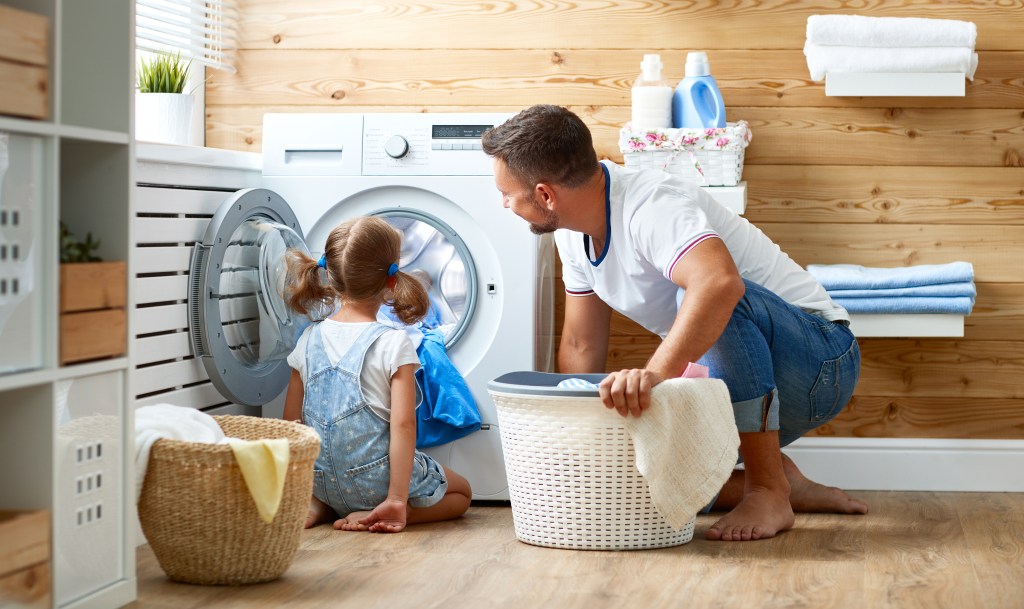
Simple actions like adjusting your thermostat, using ENERGY STAR certified bulbs and appliances, washing clothes in cold water, and sealing drafts around doors and windows can significantly cut your energy bills without major investments.
Whether you want to lower heating costs in winter or reduce cooling expenses in summer, these practical ways to save energy will help you make your home more efficient and environmentally friendly fast.
Optimize Your Heating and Cooling
Heating and cooling are often the biggest contributors to your home energy costs. However, with a few smart strategies, you can keep your home comfortable while reducing energy usage and saving money. By focusing on thermostat settings and regular HVAC maintenance, you’ll boost your home’s energy efficiency and enjoy noticeable savings on your bills.
Smart Thermostat Settings
One of the easiest ways to save energy is by adjusting your thermostat settings. During winter, aim for 68°F while you’re home and lower it to 65°F or less while you sleep.
In summer, set your thermostat to 78°F when you’re at home and raise it even higher when you’re away. Each degree you adjust can save about 3% on your heating and cooling bills.
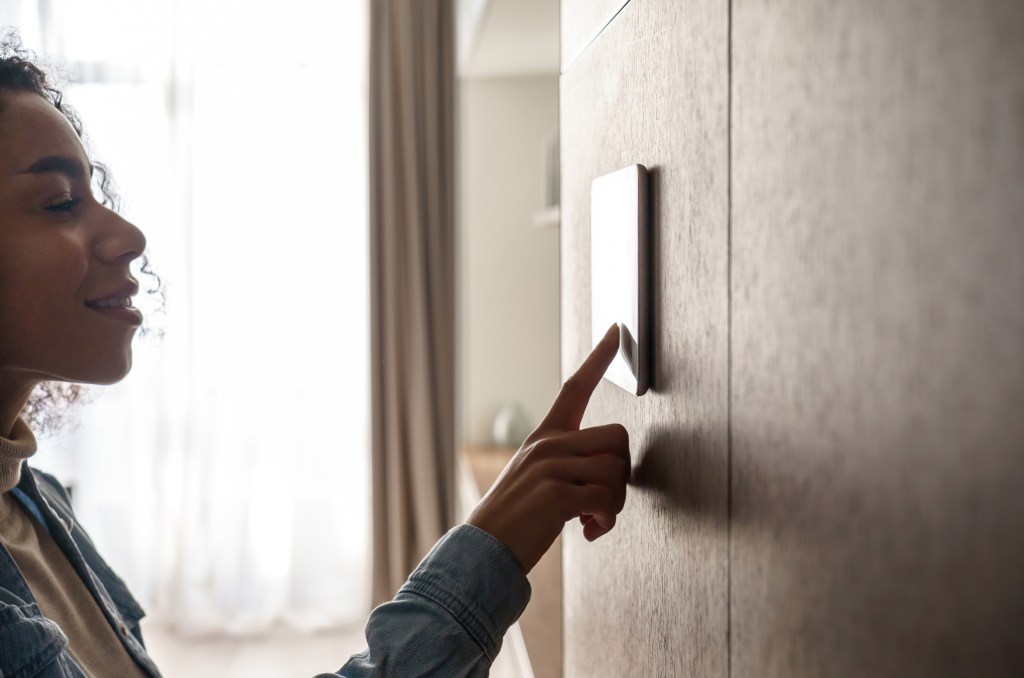
Smart thermostats make this even easier by learning your habits and automatically adjusting temperatures for maximum efficiency. Features like remote control and geofencing ensure your home is only heated or cooled when needed, helping you save energy and money year-round.
Maintain Your HVAC System
Regular maintenance of your heating and cooling system is essential for keeping it running efficiently. Change or clean your air filters every month, especially during peak heating and cooling seasons. A dirty filter makes your system work harder, increasing energy use and costs.
Also, schedule annual professional tune-ups to catch any issues early and keep your system performing at its best. Don’t forget to clean the outdoor unit and ensure vents and registers are unobstructed.
These simple steps will help your HVAC system run smoothly, reduce energy costs, and extend its lifespan.
Enhance Home Insulation and Sealing
Improving your home’s insulation and sealing up leaks around windows and doors are two of the most effective ways to reduce energy waste and lower your heating and cooling costs. By preventing warm or cool air from escaping, you help maintain consistent indoor temperatures and ease the burden on your HVAC system, which translates into real energy savings and increased comfort throughout the year.
Seal Windows and Doors
Air leaks around windows and doors can act like an open window year-round, allowing heated or cooled air to escape and driving up your energy costs. Applying weather stripping and caulking to seal these gaps is a low-cost, high-impact strategy to improve your home’s energy efficiency. Proper sealing reduces drafts, improves humidity control, and keeps out dust and pests.
By tightening your home’s envelope, you can expect to save an average of 15% on heating and cooling costs, according to the EPA. This simple step also reduces noise intrusion, making your home more peaceful and comfortable.
Add Insulation
Insulation acts as a thermal barrier, slowing the transfer of heat between the inside and outside of your home. Without sufficient insulation, your heating or cooling system works overtime, increasing energy use and costs. Adding insulation to attics, walls, basements, and crawl spaces can save up to 15% on your heating and cooling bills.
Not only does this improve your home’s energy efficiency, but it also creates more comfortable living spaces by preventing hot or cold spots. Furthermore, insulation reduces outside noise and improves your home’s overall value. Whether you choose traditional fiberglass, cellulose, or spray foam, upgrading your insulation is a smart investment that will pay off year after year.
Upgrade to Energy-Efficient Appliances and Lighting
Upgrading your home with energy-efficient appliances and lighting is a smart way to reduce energy consumption, lower bills, and boost your home’s efficiency. Modern appliances and LED bulbs use less energy, offer improved performance, and have longer lifespans, making them excellent investments that deliver quick returns.
Energy Efficient Appliances
Choosing appliances that are ENERGY STAR certified or energy-efficient ensures you consume less electricity and water while maintaining functionality. These appliances are designed to optimize performance while minimizing energy use, leading to lower energy costs and a reduced environmental footprint.
For example, replacing older appliances like refrigerators, dishwashers, or washing machines with energy-efficient models can significantly cut your monthly energy bills. These modern appliances often feature advanced technologies that enhance cleaning and cooling effectiveness while using resources more wisely. Additionally, energy-efficient appliances contribute to stabilizing utility rates by reducing the overall demand on the power grid, benefiting both the environment and your finances.
LED Lighting
Switching to LED bulbs is one of the easiest and most cost-effective ways to save energy at home. LED lighting consumes only a fraction of the electricity required by incandescent bulbs and lasts significantly longer.
This translates into immediate savings on your electric bill and fewer expenses for replacements. Moreover, LED bulbs emit less heat, which can help lower cooling costs during warmer months.
Many LED bulbs are ENERGY STAR certified, ensuring superior energy efficiency and performance. By replacing traditional bulbs with LEDs throughout your home, you’ll quickly reduce energy usage and make a positive impact on your budget and the environment.
Key Take-Aways
Remember, saving energy at home begins with simple and practical steps such as adjusting your thermostat and maintaining your HVAC system to optimize heating and cooling efficiency. Enhancing your home’s insulation and sealing windows and doors will help reduce drafts and keep your energy use in check. Upgrading to ENERGY STAR certified appliances and switching to LED lighting can further lower your energy costs while improving performance.
By taking these actions, you will not only cut your energy bills but also contribute to a more sustainable future. Start today to enjoy immediate energy savings and long-term benefits for your home and wallet.
FAQ
What are the easiest ways to reduce my heating and cooling costs?
To cut heating and cooling costs, set your thermostat higher in summer and lower in winter. Use ceiling fans, seal air leaks with caulk and weatherstripping, maintain your HVAC system, and close curtains during hot days. These simple yet effective steps can make a significant difference.
How can I tell if my home has air leaks that are wasting energy?
Detecting air leaks in your home can be done in several ways. You might feel drafts near windows or doors, perform a smoke test using an incense stick to find moving air, check for flickering candle flames near potential leak areas, use thermal or ultrasonic leak detectors, or hire a professional for a blower door test and an energy audit. Identifying and sealing these leaks can help save energy and reduce costs.
Which appliances use the most electricity in a typical home?
HVAC systems (heating and cooling) are the largest electricity consumers, accounting for about 40-50% of usage. Water heaters follow, using approximately 14-18%. Refrigerators and freezers consume 8-13%, and washers and dryers are also significant energy users. Large electronics typically use less energy comparatively.
Can switching to LED bulbs really make a difference on my energy bill?
Yes, switching to LED bulbs can significantly lower your energy bill. LED bulbs use about 75-90% less energy than incandescent bulbs and last up to 25 times longer. Their efficiency and extended lifespan result in substantial savings on electricity and replacement costs over time.